Sydney
Sydney
Sydne
Sydney
Sydney
Sydney
Sydney
Sydney
Sydney
Sydney
Sydney
Sydney
Sydney
Sydney
Sydney
Sydney
Sydney
Sydney
Sydney
Sydne
Sydney
Sydney
Sydney
Sydney
Sydney
Sydney
Sydney
Sydney
Sydney
Sydney
Sydney
Sydney
Sydney
Sydney
Sydney
Count down the Top 10 Natural Wonders in North America,
including the Grand Canyon, Yosemite, Yellowstone and the Redwood
Forest.
Ruaridh Stewart/ZUMA Press/Corbis
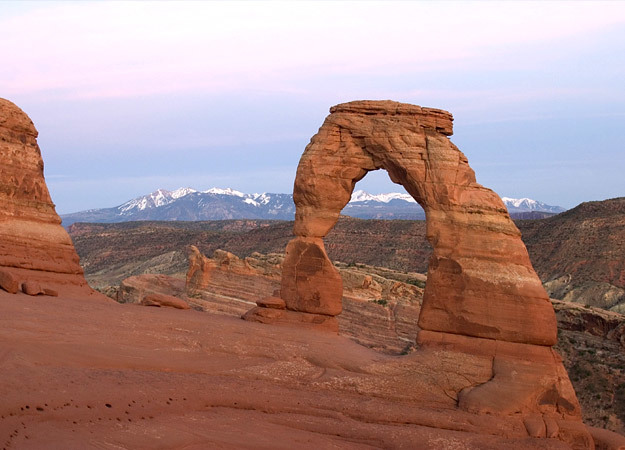
Utah's Red Rock Country
The five national parks across Southern Utah feature some of the most
unique and beautiful landscapes in North America with much of it
sculpted from the distinctive red sandstone that covers this part of the
continent.
Together these parks - including Zion, Bryce Canyon, Arches,
Canyonlands, and Capitol Reef - offer thousands of natural arches,
miles of breathtaking canyons, and towering buttes and rock faces that
have become a nation's sacred natural treasures.
Alan Copson/JAI/Corbis
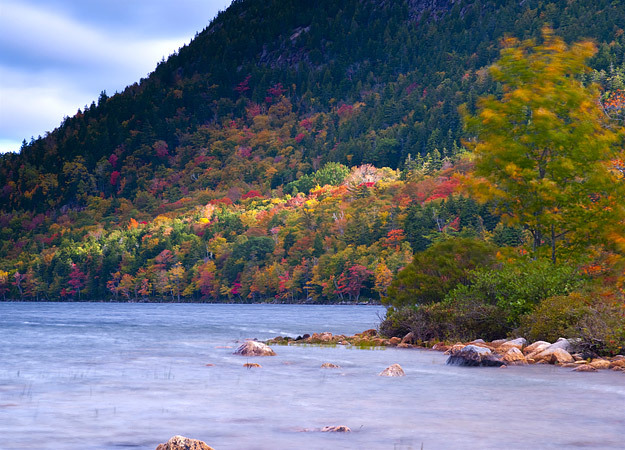
Acadia
People have been drawn to the rugged coast of Maine throughout
history. Awed by its beauty and diversity, early 20th-century
visionaries donated the coastal islands that became the first national
park east of the Mississippi River. Acadia is home to many plants and
animals that are native to northern humid continental forests as well as
the tallest mountain on the U.S. Atlantic coast.
Today visitors come to Acadia to hike granite peaks, bike historic
carriage roads, or delight in the scenery that is little changed since
the French explorer Samuel de Champlain sailed past it in 1604. (Source: National Park Service)
ESCUDERO Patrick/Hemis/Corbis
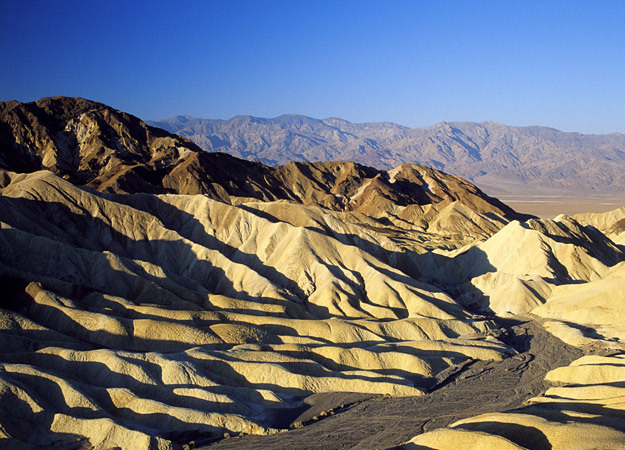
Death Valley
This spectacular below-sea-level basin combines the hottest, driest,
and lowest points in North America. Steady drought and record summer
heat make Death Valley a land of extremes, but each extreme has a
striking contrast. Towering peaks are frosted with winter snow. Rare
rainstorms bring vast fields of wildflowers. Lush oases harbor tiny fish
and provide refuge for wildlife and humans. Despite its morbid name, a
great diversity of life survives across this harsh, but beautiful
landscape. (Source: National Park Service)
David Muench/CORBIS
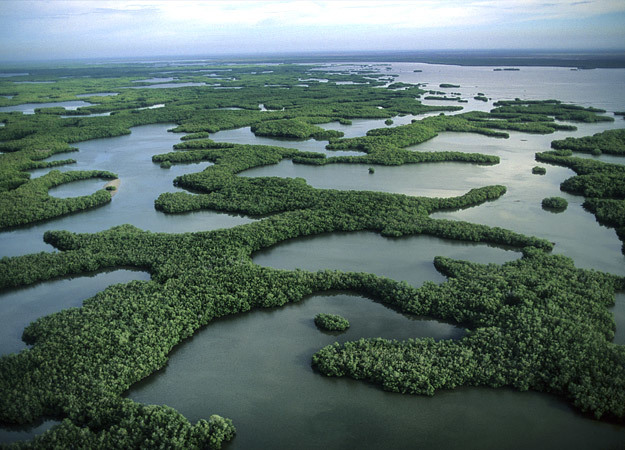
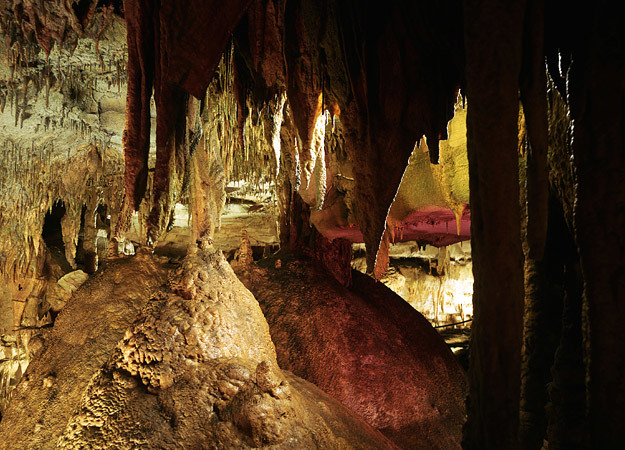
Mammoth Cave
This underground National Park preserves what one early visitor
described as a "grand, gloomy and peculiar place" that's a part of the
Green River valley and hilly country of south central Kentucky. It is by
far the world's longest known cave system, with more than 400 miles
(644km) explored.
Humans have been venturing into its vast chambers and complex
labyrinths for at least 6,000 years and in 1981 it was named as a World
Heritage Site. (Source: National Park Service)
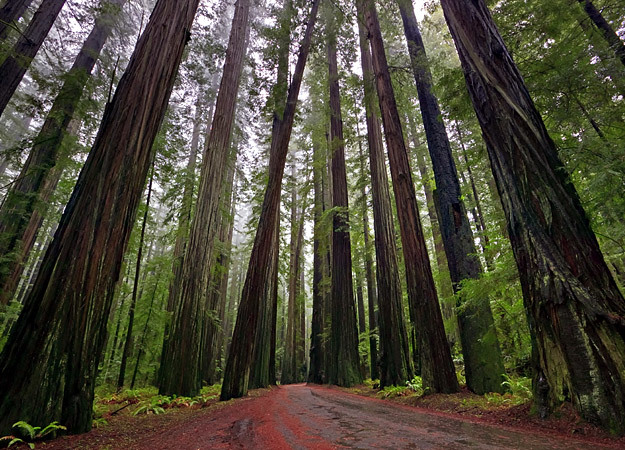
California's Redwood Forest
Rolf Hicker/All Canada Photos/Corbis
Redwood Forest
Most people know California's redwood forest as home to the tallest
trees on Earth. But the national and state parks also protect vast
prairies, oak woodlands, wild rivers, and nearly 40 miles of pristine
Pacific Ocean coastline, all supporting a rich mosaic of wildlife
diversity and cultural traditions. Still, the great redwoods rule the
forest, with heights of over 370 feet (113 m) and average lifespans of
500 to 700 years. (Source: National Park Service)
Robert Glusic/Corbis
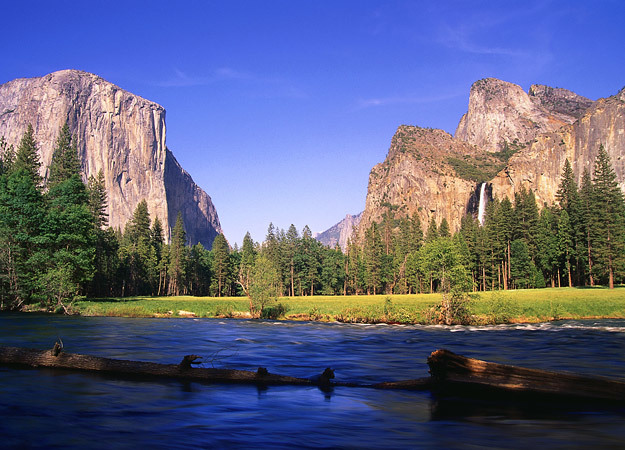
Yosemite Valley
Glaciers reaching back over 30 million years carved what American
naturalist John Muir hailed as one of "God's first temples." Almost
eight miles long and up to one mile across, with towering 3,000 to 4,000
foot near-vertical walls, Yosemite Valley is what most visitors think
of when they hear "Yosemite."
Within the valley are ten waterfalls over 500 feet high including the
majestic Yosemite Falls that drops 2,425 feet down a series of
rock-ledge steps. The yellow pine and oak forests and open meadows on
the valley floor have enchanted human visitors for thousands of years.
Keren Su/Corbis
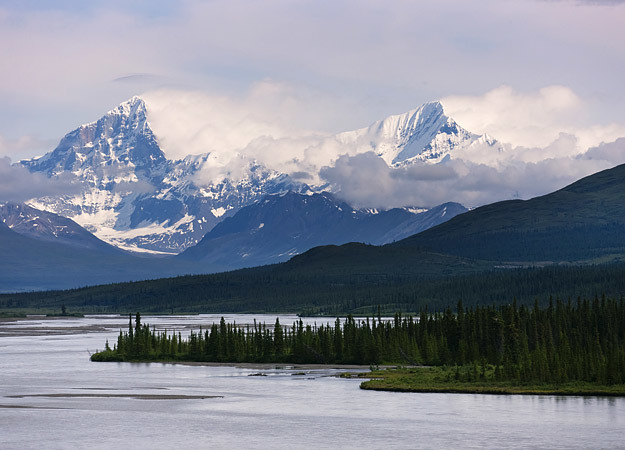
Denali
Denali is six million acres of wild land in the heart of central
Alaska, bisected by one ribbon of road that takes visitors into the
Denali National Park and Preserve. Travelers along it see the relatively
low-elevation taiga forest give way to high alpine tundra and snowy
mountains, culminating in North America's tallest peak, 20,320 foot-high
Mount McKinley. Wild animals large and small roam unfenced lands,
living as they have for ages. Solitude, tranquility and wilderness
abound. (Source: National Park Service)
Jeff Vanuga/Corbis
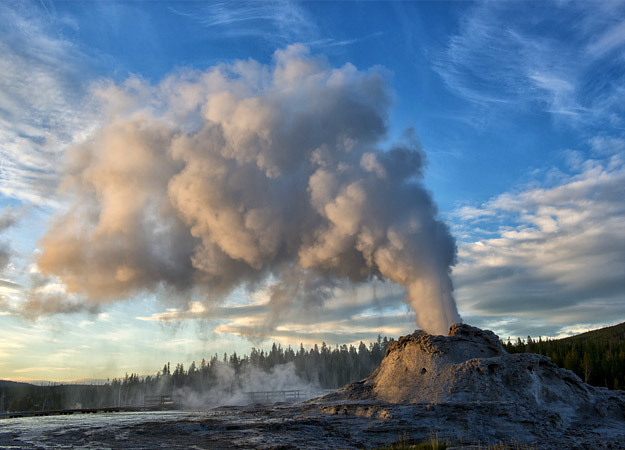
Yellowstone
Millions of years ago, a giant supervolcano arose deep below what is
now the northwestern corner of Wyoming and still simmers today,
producing Old Faithful and the majority of the world's geysers that are
found within Yellowstone National Park. These boiling wonders are the
main reason the park was established in 1872 as America's first national
park - an idea that soon spread worldwide.
Yellowstone is home to grizzly bears, wolves, and herds of bison and
elk and is cherished as the core of one of the last, nearly intact,
natural ecosystems in the Earth's temperate zone. (Source: National Park Service)
Doug Meek/Corbis
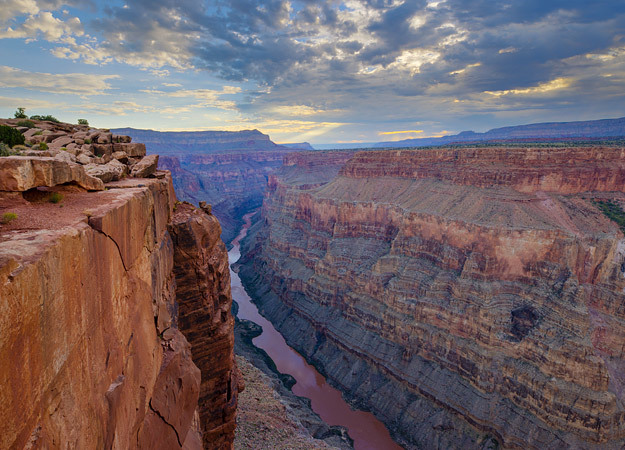
Grand Canyon
One of the world's most powerful and inspiring landscapes, the Grand
Canyon overwhelms our senses through its immense size. Standing on the
rim of this vast creation is unquestionably one of the greatest
encounters with the majesty of nature.
Unique combinations of geologic color and erosional forms decorate a
canyon that is 277 river miles (446km) long, up to 18 miles (29km) wide,
and a mile (1.6km) deep.
Almost two billion years of Earth's history have been exposed on its
towering walls as the Colorado River cut a path down through the
Colorado Plateau over the past 17 million years.
0 comments: